Torn between pitching a tent yourself and booking a ready-made glamping cabin? You’re not alone. The glamping vs camping decision trips up a lot of travelers, because the price gap looks enormous on paper and it’s hard to tell what that extra money actually buys. Is it just a bed, or does it change the whole experience of a night outdoors?
This guide breaks down both options side by side. We’ll start by defining what each style really means, then compare costs in detail, from basic campsites to premium cabins. Next comes comfort: beds, bathrooms, heating and how each setup handles bad weather. We’ll also look at the effort and skills each one demands, the seasons and destinations where each works best, and finish with a simple framework for choosing between them. By the end, you should know exactly which option fits your budget, your trip and your tolerance for sleeping on the ground.
What Glamping and Camping Actually Mean
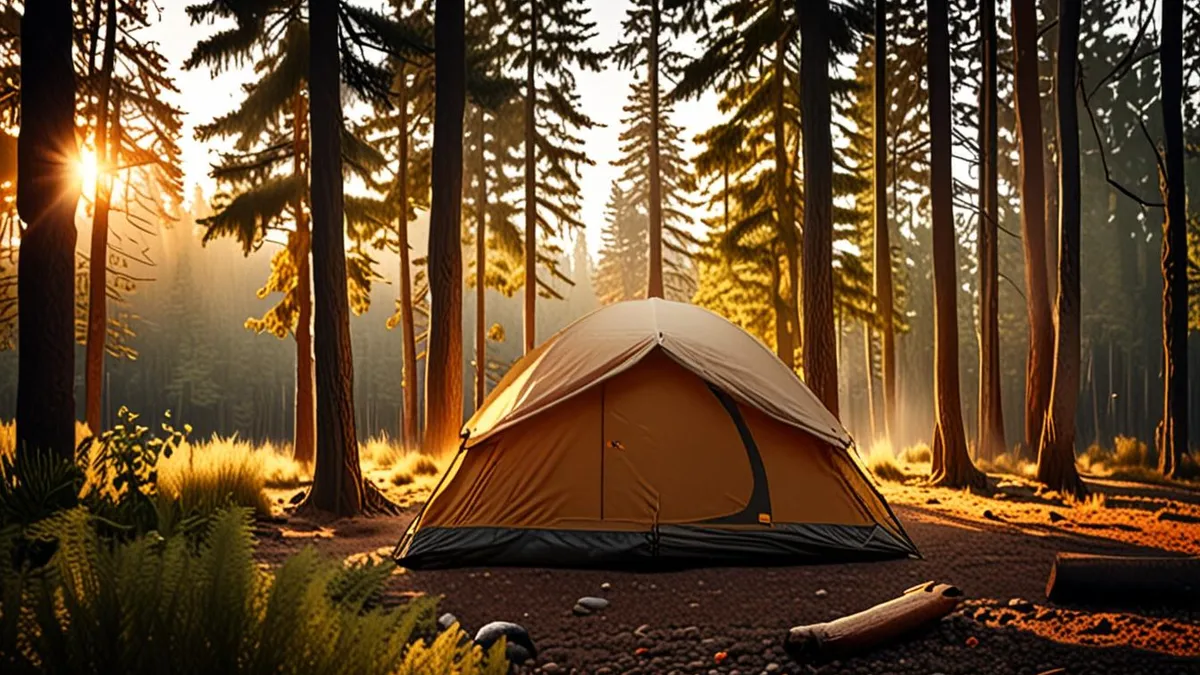
The two styles sound similar but describe very different trips. Traditional camping means you bring everything yourself: a tent, sleeping bags, a portable stove, cookware and a cooler. You pitch the tent when you arrive, cook your own meals and pack it all down again before leaving. It’s a hands-on experience where your comfort depends almost entirely on your own gear and know-how.
What glamping actually involves
Glamping, short for glamorous camping, flips that arrangement. You arrive at a structure that’s already built: a large safari-style tent, a wooden cabin or a geodesic dome. Inside there’s usually a real bed with proper bedding, electric lighting, heating or cooling and, in many cases, a private bathroom. Someone else has handled the setup, so your only job is to show up and enjoy the view.
Where the line blurs
In between sit serviced campsites, which rent pre-pitched tents on sites that are otherwise fairly basic. You get the tent already standing, sometimes with simple beds or futons inside, but without the luxury extras like en-suite bathrooms or climate control. This middle option suits travelers who want to skip the pitching but aren’t ready to pay full glamping prices. Knowing which of these three you’re actually booking matters, because the price and experience differ a lot between them.
Cost Breakdown: Glamping vs Camping
Money is where the two styles diverge most clearly. A basic campsite typically runs USD 20-60 per night, or around JPY 3,000-8,000 in Japan. Glamping typically costs USD 150-500 per night depending on the cabin or tent type, and in Japan’s Fuji Five Lakes area premium cabins often run USD 250-600 per night. That’s a real gap, so it helps to understand what each price includes before you book.
Glamping rates usually bundle everything: bedding, heating or cooling, bathroom access and on-site facilities. Camping costs scale with what you own. The campsite fee is just the starting point, because first-time campers should budget an extra USD 100-300 for gear purchases or rentals. If you already own a full kit, camping stays remarkably cheap; if you’re starting from zero, the first trip costs far more than the second.
- Hidden campsite extras: some campgrounds charge separately for showers, fire pits or firewood, so a cheap nightly rate can creep upward once you add a few nights of these small fees.
- Seasonal glamping pricing: the same cabin can cost noticeably more on weekends and holidays than midweek, so shifting your dates by a day or two can shrink the price gap significantly.
- Gear as an investment: a tent, sleeping bags and a stove bought for USD 100-300 can last years of trips, which means camping becomes cheaper the more you use it.
- What’s included matters: some glamping rates cover meals or activities, while others charge for them separately, so compare what’s bundled rather than just the headline nightly price.
It’s also worth remembering that glamping sits on a spectrum. If you’re curious what the high end looks like, this look at Hoshinoya Tokyo’s ryokan-style suites shows how far the luxury end of Japanese hospitality can go. For most travelers, though, the real comparison is between a USD 20-60 campsite and a USD 150-500 cabin, and the gear budget is the detail first-timers most often forget.
Comfort: What You Get in Each Setup
Comfort is the whole reason glamping exists. Most glamping units come with a real bed on a proper mattress, plus heating or cooling, and many also have a private bathroom. You sleep off the ground, wake up warm and dry, and skip the morning queue at a shared shower block. Some upscale properties go further, as you can see in this overview of Hoshinoya Fuji’s glamping cabins, where rooms overlook the lakes below Mount Fuji.
Camping comfort depends on your kit
Camping comfort is built from three things: your sleeping pad, your sleeping bag’s temperature rating and the campsite’s facilities. A thick pad and a bag rated for the conditions can make a night in a tent genuinely pleasant. A thin mat and a summer bag on a cold night can make it miserable. The campground itself matters too, since hot showers, clean toilets and level pitches all change how a night feels.
Weather, noise and privacy
Weather resilience differs sharply between the two. A heated dome or cabin handles rain and cold far better than a tent, where a storm means wet gear and a long, uncomfortable night. If bad weather is likely, glamping removes most of that risk.
Noise and privacy work differently as well. Glamping sites usually space their units apart, so you hear less of your neighbors. Campgrounds can feel communal, with shared facilities and pitches close together, which some travelers love for the atmosphere and others find tiring. If quiet is a priority, check the site layout before booking either option, and ask operators how far apart units or pitches actually are.
Effort and Skills Required
Camping asks more of you from the moment you arrive. You pitch the tent, stake out the guy lines, inflate the sleeping pads and figure out where the cooking stove goes. When the trip ends, everything gets packed down again, often damp and always dusty. Add meal planning on a portable stove and a bit of weather reading, and you have a hobby with a genuine learning curve.
Why glamping removes the stress
Glamping takes all of that off your plate. You arrive to a ready-made unit with the beds made, the lighting working and, in most cases, heating or cooling already set. There is nothing to pitch and nothing to pack down. That makes it a realistic option for first-timers, for families with young children who have little patience for tent poles, and for anyone who simply wants the outdoors without the logistics.
Camping, for its part, pays you back in a different currency: skills. Your first trip might involve a crooked tent and burnt noodles, but each outing gets smoother. You learn how to layer for cold nights, cook a proper one-pot meal and keep gear organized. That self-sufficiency builds trip by trip, and many campers find it becomes half the appeal. If you enjoy problem-solving outdoors, the effort is a feature, not a drawback.
When and Where Each Style Works Best
Season and trip style matter more than most people expect. Camping works best in warm, dry months, when a tent is genuinely comfortable and a damp night will not ruin the trip. It also suits travelers who already own their gear and like flexible plans, since campsites are generally easier to book on short notice and cost far less per night.
Glamping flips that logic. Because glamping units usually include real beds plus heating or cooling, solid walls or canvas over a solid frame, and often private bathrooms, they keep you warm and dry when the weather turns. That makes them the smarter pick in shoulder seasons and cooler months, when tent camping starts to feel like an endurance sport. Around Japan’s Fuji Five Lakes, the glamping season runs from April to November, and October is a highlight thanks to the autumn foliage around the lakes. If that sounds appealing, you can see what a high-end stay looks like in this review of a rooftop-bath glamping resort near Kawaguchiko.
Timing your booking also differs between the two styles:
- Glamping cabins near Fuji sell out fast for high-season weekends, so aim to book 2-3 months ahead to get your pick of units and views.
- Campsites are more forgiving: many accept shorter-notice bookings, and some keep first-come spots, which suits spontaneous trips.
- Midweek stays in either style are easier to secure than weekends, and glamping rates are often lower outside Friday and Saturday nights.
How to Choose Between Glamping and Camping
Start with your budget, because it draws the clearest line between the two. If you want to keep nightly costs low and you are drawn to the hands-on side of the outdoors, camping is the obvious fit. A basic campsite keeps costs down, and once your gear is bought or rented, each additional trip gets cheaper. Just remember that a first camping trip usually involves some upfront spending on gear purchases or rentals, on top of the site fee itself.
When comfort justifies the price
If a real bed, a private bathroom and zero setup matter more to you than saving money, glamping delivers all three. You pay a clear premium over a basic campsite, but you also skip the gear list, the packing list and the learning curve entirely. Everything you would normally buy, carry and assemble is already waiting for you.
Trip composition helps decide too. Couples and special occasions lean naturally toward glamping, since a well-designed cabin with a view does a lot of the atmosphere work for you. Groups with their own gear and longer stays usually lean toward camping, where the per-night savings compound over several days and the communal campsite setup suits larger parties.
There is also a middle path worth knowing about. Serviced campsites rent pre-pitched tents, so you arrive to a tent that is already standing, without paying full glamping prices or getting luxury extras. It splits the difference nicely if you want less effort than traditional camping but not the full resort experience. Check what is included before you book, though, as bedding and cooking facilities vary from site to site.
The Bottom Line on Glamping vs Camping
So what does the price difference actually buy you? Glamping trades roughly USD 130-440 extra per night for a real bed, a private bathroom, heating or cooling and zero setup when you arrive. Camping keeps costs at USD 20-60 per night and rewards you with hands-on skills that grow sharper trip after trip, as long as you bring or rent your own gear.
The right choice comes down to three things: your budget, the season you are traveling in and how much comfort you need outdoors. If a warm, dry weekend with your own tent sounds like fun, camping is hard to beat on value. If cooler nights, rain or a special occasion are in the picture, the glamping premium starts to look like money well spent. Whichever way you lean, we would love to hear about it—leave a comment or share this article with a fellow traveler.