Choosing between a beach villa vs water villa is the first big decision most travelers face when booking a Maldives trip, and it’s not an easy one. Water villas typically cost 30-60% more than comparable beach villas on the same island, so the price gap is real. If you’ve never stayed in either, it’s hard to know whether stepping off your deck into the lagoon justifies the premium, or whether a villa steps from the sand suits your style better.
This guide breaks the decision down for you. We’ll explain what each villa type actually offers, compare price and value, and look at privacy, space and who each option suits best. We’ll also cover how weather and season affect each choice, walk through how to choose and book the right villa, and wrap up with a clear answer to help you decide. By the end, you’ll know exactly where you want to wake up.
What Is a Beach Villa in the Maldives?
The Basics
A beach villa is a standalone accommodation set on the island itself, surrounded by sand, vegetation and often a private garden. Most come with a plunge pool and direct access to the beach or the shallow lagoon just a few steps from your terrace. You walk out of your door and you are, quite literally, on the island.
Because these villas sit on solid land with larger plots than overwater structures, you typically get more space and more natural shade. Palms, pandanus and other tropical planting provide cover through the middle of the day, which makes the outdoor deck and garden area genuinely usable rather than a sun trap you avoid until late afternoon.
Why They Anchor the Price Range
On most Maldives resorts, the beach villa is the entry-level villa category. It sits at the lower end of the resort’s price range, with more elaborate beach pool villas, sunset villas and overwater options stacked above it. If you are comparing resorts on a budget, the beach villa rate is usually the number that tells you what an island actually costs.
That does not mean basic. Even entry-level beach villas in the Maldives tend to include a generous outdoor bathroom or deck area, direct garden access and a few meters of private beachfront. What varies most between resorts is the size of the plot, the quality of the pool and how close you are to the main facilities, so it pays to check the villa layout on the resort’s own map before booking.
What Is a Water Villa in the Maldives?
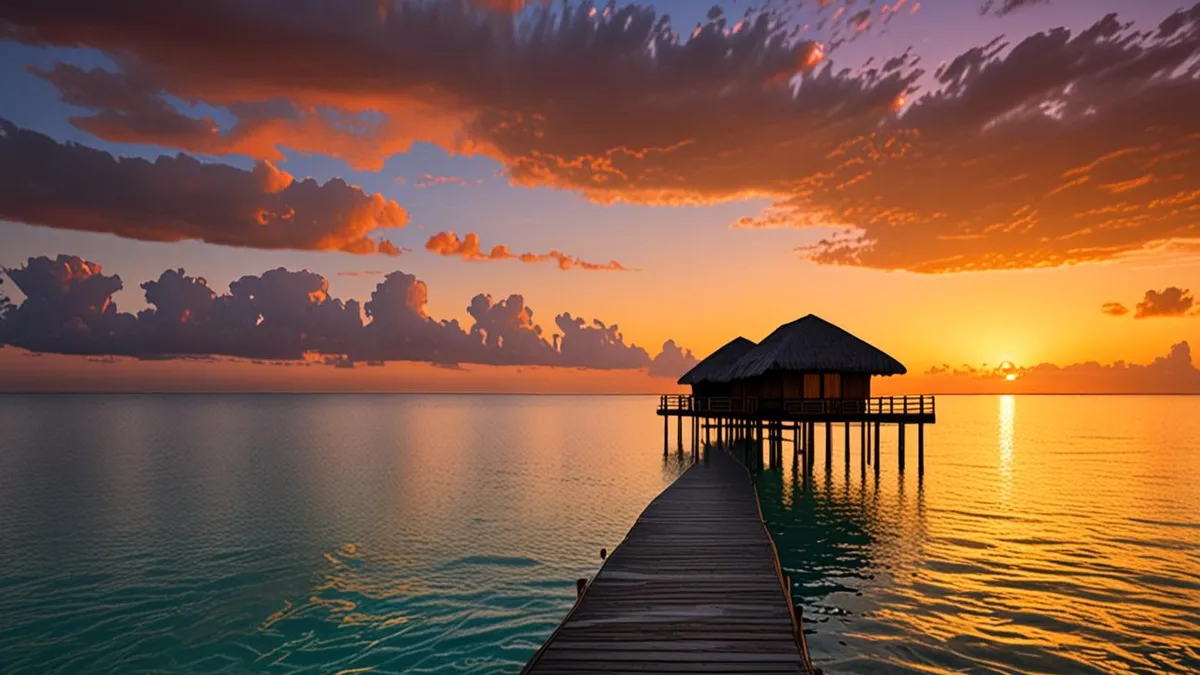
A water villa is exactly what it sounds like: a standalone room or suite built on stilts above the lagoon, connected to the island by a wooden jetty. Most resorts position them anywhere from around 50 to 200 meters from shore, so you get genuine distance from the island while still walking back for dinner in a few minutes.
The defining feature is the ladder or steps leading straight from your private deck into the water. Roll out of bed, walk a few paces, and you can be snorkeling over the house reef or floating in clear water before your coffee cools. Fish gather around the pilings, so even a quick dip off your deck often delivers more marine life than a longer swim elsewhere.
The views, and what you give up for them
Because nothing sits between you and the horizon, the ocean views are completely uninterrupted. Many water villas are oriented toward the sunset, so you can watch it fade from your deck or even from a hammock strung over the water. Glass floor panels, outdoor showers and overwater hammocks are common touches on newer designs.
The trade-off is space: there is no beach and no garden. Your outdoor area is the deck itself, and shade comes from an awning rather than palms. If you like lying on sand under trees between swims, that experience lives on the island, not outside your door.
Beach Villa vs Water Villa: Price and Value
The price gap between the two villa types is the single biggest factor for most travelers. On the same island, at the same resort, a water villa typically costs 30-60% more than a comparable beach villa. That difference can easily add up to hundreds of dollars per night, which over a week-long stay is enough to fund an extra night, a better room category elsewhere, or a couple of excursions.
When the premium shrinks
Timing changes the math considerably. During the low season from May to October, rates across the Maldives drop by 20-40% compared with peak months. Because discounts apply to both categories, the absolute price of a water villa falls the most in dollar terms. A splurge that feels out of reach in February can suddenly sit within budget in June or September, making the wet season the smartest window for travelers who have their heart set on stilts over the lagoon.
Is the premium actually worth it to you?
Before paying extra, be honest about how you spend your days. The water villa premium buys you a ladder into the lagoon and a deck over the water. If you picture yourself slipping in for a morning snorkel every single day, that access may justify the cost. But many guests find they use it a handful of times before settling into a routine of the pool, the restaurant and the main beach. If that sounds like you, a beach villa delivers most of the experience for noticeably less money.
One practical tip: compare total trip cost, not just the nightly rate. Some resorts price half-board or all-inclusive packages differently by villa category, and transfers are usually the same regardless of room type. Checking how the premium affects your full package, rather than the headline rate alone, gives you a truer picture of the value on offer.
Privacy, Space and Who Each Villa Type Suits
Privacy works differently in each villa type, and it is one of the most overlooked factors when booking. A beach villa sits on the island itself, usually tucked behind palms, hibiscus and other planting that screens your terrace and plunge pool from neighboring villas and walking paths. You can step out of your door in a swimsuit and rarely see another guest. The trade-off is that you share the island’s sand: sun loungers, the main beach strip and shallow wading spots are common areas, so expect other guests nearby during the day, especially around the pool and bar.
Water villas offer a different kind of seclusion: no neighbors above, below or beside you, just the lagoon stretching out to the horizon. Because they are typically built 50-200 m from shore, the distance itself becomes a buffer. But that privacy has limits. The wooden jetty connecting your villa to the island is a shared walkway, so anyone strolling past can look onto your deck, sun loungers and even into your room if blinds are open. If you sunbathe or swim off your ladder, expect the occasional curious glance from passing guests and staff. Many resorts add frosted panels or angled screens between decks, but check the villa layout photos before assuming you will have a fully concealed deck.
Who each type suits comes down to how you spend your days:
- Families with young children: a beach villa’s garden and steps-down-to-the-sand layout means kids can play within sight, and there is no open water at the bottom of a ladder to worry about.
- Non-swimmers: beach villas keep you on solid ground with shallow, sheltered lagoon edges for wading, while a water villa assumes you are comfortable in deep water every time you leave your deck.
- Honeymooners: the walk to a water villa feels like part of the romance, and sunset-facing decks are made for champagne and nothing else on the agenda.
- Snorkellers: rolling off your private ladder into the house reef saves the walk to a shared entry point, and you can snorkel at dawn before day-trippers arrive.
- Shade seekers: beach villas come with mature palms and covered verandas, something a water villa deck offers only as a small roofed section, if at all.
Weather and Season: When Each Villa Type Shines
The Maldives has two broad seasons, and each one quietly favors a different villa type. During the dry season from November to April, skies stay clear, winds drop and the lagoons turn glassy and calm. These are ideal conditions for a water villa: the ladder into the lagoon becomes an everyday pleasure, snorkeling is comfortable, and the water is at its clearest for spotting rays and reef fish from your own deck.
From May to October the picture changes. Rain showers pass through more often, cloud cover increases and the seas around the islands turn choppier. A ladder into a wind-whipped lagoon loses its appeal quickly, while a beach villa comes into its own: the shaded garden, covered veranda and plunge pool give you a comfortable retreat between showers, and you are steps from the island’s facilities rather than a jetty walk away.
Peak season planning
Between December and March, demand spikes and water villas sell out first, largely because honeymooners and snorkellers compete for the same sunset-facing decks. If a water villa is non-negotiable for your trip, book 6-12 months ahead to secure your preferred orientation and resort. Beach villas also fill up in peak months, but they tend to have more stock per resort, so you have a little more flexibility. In the wetter months, availability opens up and you can often book closer to departure, though you should still confirm weather expectations with your resort before committing.
How to Choose and Book the Right Villa
Choosing between a beach villa and a water villa gets much easier once you match the villa to your actual daily routine rather than to a brochure image. Brochure photos show empty decks and glassy water, but they never show the walk to breakfast, the afternoon shade or how exposed your terrace feels at night. Think about what you will actually do at 7 am, at 4 pm and after dinner, then work through the steps below. Ten minutes of honest planning here saves a lot of villa envy once you are on the island.
- Match the villa to your routine. If your perfect day starts with a swim and ends watching the sun drop into the ocean, lean toward a water villa. If you picture long hours on a lounger, garden games with kids and easy walks to the pool or restaurant, a beach villa fits better.
- Check orientation and position. Ask whether the villa faces sunrise or sunset, and how far it sits from the main facilities such as restaurants, the dive center and the kids’ club. A sunset-facing water villa is a very different experience from a sunrise-facing one, and a beach villa a long walk from dinner is different from one two minutes away.
- Time your booking to the season. Water villas on popular islands sell out first for peak-season dates, so reserve early for high-demand travel and check with your operator how far ahead they recommend. If your dates are flexible, ask about low-season promotions, which can make a water villa far more attainable than the peak-season rate suggests.
- Confirm your transfer. Most Maldives resorts are one-island resorts reached by seaplane or speedboat from Malé. Seaplanes typically fly only in daylight, so a late international arrival may mean an overnight near the airport or a speedboat transfer instead. Check timing with your operator before locking in flights.
Once these steps are done, compare two or three resorts side by side with the same villa category and the same season in mind. Look at what is genuinely included, such as half board, transfers or snorkel gear, because small inclusions shift the value more than a headline rate does. That comparison, not the villa photos, is what reveals where the real value lies.
Wrapping Up: Beach Villa or Water Villa
So which should you book? If the price gap is what’s holding you back, remember that water villas typically cost 30-60% more than a comparable beach villa on the same island. That premium buys you direct lagoon access and uninterrupted ocean views, but takes away your beach and garden space. Beach villas suit families with children and non-swimmers, while water villas reward couples and keen snorkellers who will use that ladder into the lagoon every day.
Season matters too. The dry months of November to April bring calm lagoons that favor water villas, while the wetter May to October period, with its lower rates, makes a shaded beach villa the more comfortable retreat. Match the villa to your travel style and the time of year, and you can’t really go wrong. If this helped you decide, leave a comment or share the article with a fellow traveler.