You have one week in Japan, a fixed budget, and a booking screen open in front of you. One tab shows a ryokan with tatami floors and a kaiseki dinner; the other shows a city hotel at half the price. The ryokan vs hotel question trips up almost every first-time visitor, because the two options are not just different rooms—they are completely different ways of spending your evenings, your mornings, and your money.
This guide breaks the decision into the parts that actually matter. We start with what a ryokan stay really includes, from futon service to onsen baths, and what a hotel offers in return. Then we compare prices honestly, including how per-person ryokan rates change the math for couples and solo travelers. From there, you will see exactly when a ryokan is the better choice, when a hotel wins, how far ahead to book for peak seasons, and how to make the final call for your own itinerary.
What a Ryokan Stay Actually Includes
A ryokan is not a hotel with Japanese decoration—it is a traditional inn built around a routine that has barely changed in generations. You take off your shoes at the entrance, and a staff member in kimono walks you to your room, serves tea, and explains the evening schedule. From that moment, most of your stay is handled for you.
The rhythm is the point. You arrive in the afternoon, bathe in the onsen, sit down to a long multi-course dinner, and sleep on a futon that staff lay out while you are eating. In the morning, the futon is folded away and stored, turning your sleeping room back into a living room with low tables and floor cushions. If you have never stayed somewhere that rearranges itself around your day, it takes one night to understand why people plan entire trips around ryokans.
Here is what is typically bundled into the experience:
- Tatami-floored rooms: Woven straw flooring that you feel underfoot in socks or bare feet, with sliding shoji screens instead of solid walls between you and the corridor.
- Futon service: Staff lay out your futon on the tatami each evening and fold it away every morning, so the same room works as both bedroom and lounge.
- Kaiseki dinner and Japanese breakfast: A seasonal multi-course dinner and a set breakfast, served either in your room or in a shared dining hall depending on the property.
- Onsen access: Use of the bath facilities, usually large communal baths separated by gender, plus private family baths you can reserve by the hour at many ryokans.
- Yukata and green tea: A light cotton kimono to wear around the property and tea service in your room, both standard inclusions rather than extras.
Because meals and bathing are part of the package, the posted rate covers far more of your day than a hotel rate does. That is worth remembering before you compare the two on price alone.
What a Hotel Stay in Japan Offers Instead
Hotels in Japan trade ritual for flexibility, and for many itineraries that trade makes sense. You get a proper Western-style bed raised off the floor, a private bathroom you can use at any hour, and a front desk that typically operates around the clock. If you land at 23:00 after a delayed flight, nobody minds, and nobody has already cleared your dinner from a tray.
The biggest difference is what happens at mealtimes. In a ryokan, dinner arrives at a set hour and the menu was chosen when you booked. In a hotel, you simply walk out the door. One night you might queue for ramen at a counter in Shinjuku; the next, you book a table somewhere you spotted at lunch. Your food budget stays in your hands instead of being locked into a package.
For travelers hopping between cities, hotels also work better logistically. Larger properties offer services aimed at people on the move:
- Concierge desks: Staff who can help with restaurant reservations, train advice, and directions in English, useful when you are only in town for a night or two.
- Business facilities: Workspaces, printing, and reliable Wi-Fi that suit travelers who handle a bit of work or planning from their room.
- Luggage and early departure handling: Front desks used to guests checking out before breakfast or storing bags between hotels, which keeps moving days simple.
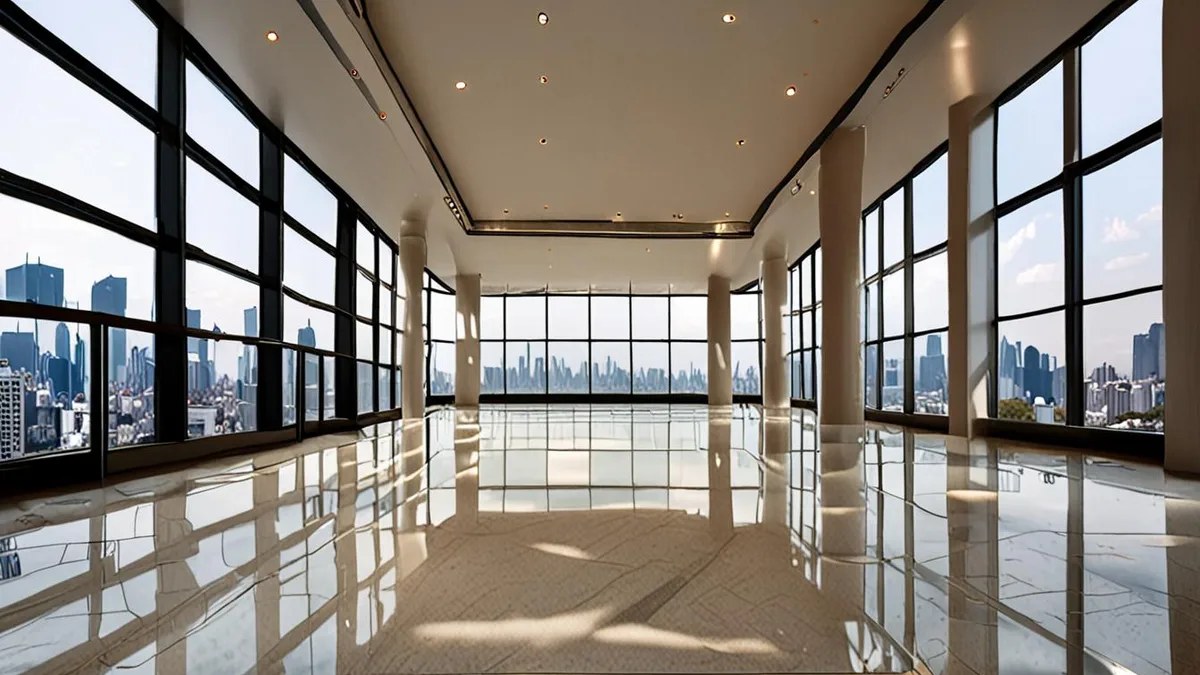
Pricing works differently too. Hotels charge per room, so a solo traveler pays one rate rather than a per-person rate designed around two served meals. If you want to see what a polished city property looks like, this review of a modern Tokyo hotel with city-view rooms gives a good sense of the standard on offer.
Ryokan vs Hotel: Price Comparison
Put the two price tags side by side and the ryokan looks expensive—until you unpack what is inside it. A typical ryokan stay runs roughly 20,000–60,000 yen per person per night, and that figure already includes a multi-course kaiseki dinner, breakfast, and access to the onsen baths. A hotel room in Tokyo or Kyoto typically costs around 12,000–25,000 yen per night for a double, but the food budget is entirely separate.
The per-person pricing trap
Ryokans price by the head, not by the room, because each guest is served individually. A couple booking a 30,000-yen-per-person ryokan pays 60,000 yen for the night. A solo traveler faces the same math in the opposite direction: a rate built around two served meals still applies to one person, which is why ryokans rarely make sense for solo budgets.
What the numbers look like in practice
Over a two-night ryokan stay, a couple might spend the equivalent of four to six hotel nights—but they would also have eaten two dinners and two breakfasts at restaurant prices in that scenario. The comparison is closer than the sticker numbers suggest. Where the gap genuinely widens is at the top end: luxury ryokans in places like Hakone can climb well above the typical range in peak seasons, pushing a single night for two past what many travelers spend on several hotel nights combined. Even city hotels can blur the line—a property such as Hotel Chinzanso Tokyo with its garden estate suites shows how a hotel stay can carry some of the atmosphere you would normally associate with a ryokan, at a rate worth checking against the bundled-meal math.
A practical way to think about it: count what you would spend on dinner and breakfast anyway, subtract it from the ryokan rate, and compare what remains against the hotel rate. For many couples, the ryokan comes out close to even. For solo travelers eating cheaply, the hotel usually wins outright.
When a Ryokan Is the Better Choice
Some trips practically beg for a ryokan. If your itinerary revolves around an onsen town, staying anywhere else means you miss the whole point of being there. The same goes for travelers chasing a specific kind of evening: unhurried, quiet, and taken care of from start to finish.
The classic pattern is a slow segment in the middle of a city-hopping trip. After several days of trains, crowds and late dinners in Tokyo or Osaka, one or two nights in a tatami room with a hot bath downstairs resets you completely. You arrive mid-afternoon, soak, eat, sleep early, and leave genuinely rested.
Then there is the food. A ryokan kaiseki dinner is an event, not a meal, often running 8–12 courses over 1.5–2 hours. If that ritual appeals to you, no city restaurant booking will replicate it, because the dishes, the room and the pacing are all part of the experience.
- Onsen town trips: In places like Hakone, Kusatsu, Beppu or Noboribetsu, many ryokans let you bathe before breakfast and again after check-in, so the hot springs shape your whole daily rhythm rather than being a single activity.
- Special occasions: For anniversaries or honeymoons, staff can often arrange extras such as a room upgrade, a private bath slot or a festive menu variation, so it pays to mention the occasion when you reserve.
- First-time Japan visitors: If you have never slept on a futon or worn a yukata, one ryokan night covers a whole side of Japanese culture that a hotel simply cannot touch.
When a Hotel Is the Better Choice
Hotels earn their keep in the cities. Tokyo and Kyoto are built for eating out and sightseeing from morning to night, and a hotel lets you do exactly that: no fixed dinner hour, no need to be back for a multi-course meal you have already paid for. You simply grab ramen at 9 p.m. if that is when hunger strikes.
Solo travelers should look hardest at hotels. Because ryokan rooms are priced per person, one person often pays nearly what a couple would, while hotels charge per room regardless of how many heads are on the bed. Over several nights, that difference adds up fast.
Schedules matter too. Ryokan check-in usually runs 15:00–16:00 with dinner served around 18:00–19:00, which is a problem if you arrive on a late flight or leave on an early train. Hotels with 24-hour front desks absorb those quirks without penalty. For longer city stays, a well-designed property such as The Thousand Kyoto with its minimalist suites shows how comfortable a hotel base can be.
- Early train days: If you are catching a Shinkansen before breakfast service would even start at a ryokan, a hotel with grab-and-go options or nearby convenience stores saves you from traveling on an empty stomach.
- Stays of 4+ nights: Ryokan prices and fixed meal times become tiring over long stretches, while a hotel kitchenette or coin laundry keeps a week-long trip manageable.
- Food-focused itineraries: If eating your way through depachika basements, izakaya alleys and Michelin-listed spots is the goal, prepaid dinners would only get in the way of your reservations.
Booking Tips and Timing
Getting a ryokan booking right is mostly about timing and asking a few pointed questions before you pay. The best rooms in popular towns sell out early, and the details that make or break your stay are rarely obvious on a booking page. Work through the steps below in order and you will avoid the most common regrets.
- Book early for peak foliage and blossom windows. For cherry blossom season (late March to early April) and November foliage, reserve ryokans 2–3 months ahead. Rooms with garden or mountain views go first, and last-minute options shrink to the priciest tiers. If your dates are fixed, booking the moment reservations open is often the difference between a corner room overlooking the garden and a windowless interior room.
- Split your trip between stay types. Book hotels for your city nights and add one or two ryokan nights as the highlight, ideally in an onsen town. This keeps costs sane and gives the ryokan stay a sense of occasion rather than routine.
- Ask where dinner is served. In-room kaiseki and dining-hall service are very different experiences: one feels intimate and private, the other livelier and often faster. Confirm which one you are getting before booking, not at check-in, and mention any dietary restrictions at the time of reservation since kaiseki menus are planned around each guest.
- Confirm private onsen options. If communal or nude bathing makes you hesitate, check whether the ryokan has reservable private bathing rooms and whether an hourly fee applies or the time comes included in your rate.
One last habit worth building: re-read the cancellation terms before you commit. Peak-season ryokan bookings often carry stricter cancellation windows than city hotels, and knowing your flexibility upfront makes it easier to lock in the good rooms early rather than hesitating until they are gone. A short email to the property with your questions, answered in writing, beats relying on a third-party listing description every time.
Ryokan vs Hotel: Making Your Final Call
So which one wins for your one week in Japan? If your budget can absorb a splurge night, a ryokan delivers the richest experience in onsen towns like Hakone or Kusatsu, with cultural immersion and two bundled meals built into the price. If you are traveling solo or want flexible evenings in Tokyo or Kyoto, a hotel gives you far more freedom for the money, and the per-room pricing keeps solo costs down.
The real answer, though, is not either-or. The strongest itineraries combine both stay types: hotels for city nights, and one or two ryokan nights as the highlight of the trip. That way your budget covers convenience where you need it and splurges on atmosphere where it counts. If this helped you decide, leave a comment or share the article with a fellow traveler.