Booking an all-inclusive lodge feels like a safe bet: one price, everything covered, no surprise bills at checkout. But many travelers struggle to tell whether that higher nightly rate actually saves money or simply bundles together costs they would never have paid anyway. If you skip the spa, rarely drink and only want one excursion, a package can quietly cost more than a standard room with meals bought separately.
This guide breaks down what an all-inclusive lodge really charges, what a standard package includes, and which extras still land on your final bill. You’ll also find a simple way to compare package value against a la carte stays, smart timing for booking, and the questions worth asking before you pay a deposit. By the end, you’ll know whether the bundle fits your travel style, or whether you’re better off paying as you go.
What Does an All-Inclusive Lodge Stay Actually Cost?
All-inclusive lodge pricing varies enormously by region, season and comfort level. Typical nightly rates run from around $250 per person at mid-range properties to $1,500 or more at luxury lodges, especially those in remote wilderness locations where every meal, guide and boat transfer has to be brought in. The rate generally reflects not just your room but the full operation behind it: kitchen staff, naturalists, drivers and generators.
Why timing changes the price so much
Season is one of the biggest factors. High season can push rates 30-50% above low-season prices for exactly the same room, with the same meals and the same activities included. If your dates are flexible, traveling in the shoulder or low season is often the single easiest way to cut the cost of the trip without downgrading the experience.
Per person, not per room
Here’s the detail that catches couples off guard: rates are usually quoted per person, not per room. A “$400” lodge is often $800 per night for two people sharing. Before comparing lodges, double-check whether each quoted figure covers one guest or the whole room, because the math for couples changes dramatically depending on the answer.
What’s Included in a Standard All-Inclusive Lodge Package
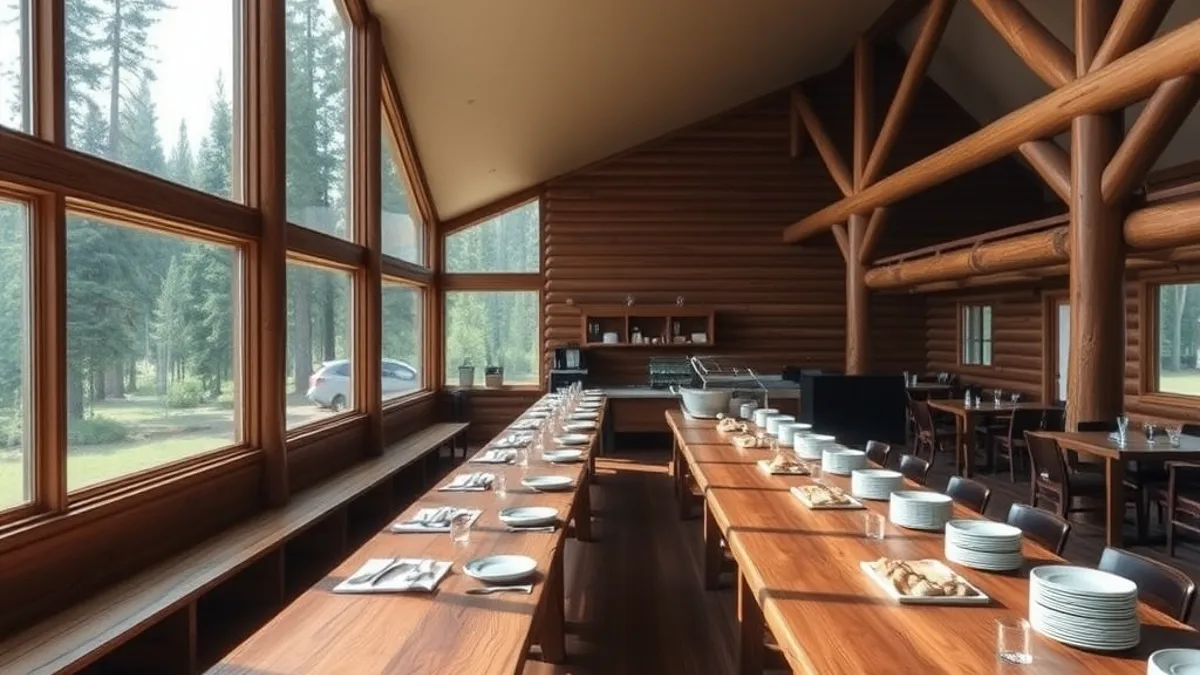
Almost every all-inclusive lodge builds its package around the same core: three meals daily plus non-alcoholic drinks. That means breakfast, lunch and dinner are covered, along with coffee, tea, juices and soft drinks throughout the day. At remote lodges where the nearest restaurant is hours away, this baseline is the heart of the value. Pay attention to how meals are served, too. Some lodges offer buffet-style dining, others serve set multi-course menus, and many will accommodate dietary needs like vegetarian or gluten-free if you mention them when booking rather than on arrival.
Activities are the second pillar. Most lodges include one or two guided excursions per day in the rate, whether that’s a morning game drive, a guided forest walk or an afternoon boat trip. Group size and guide quality vary, so it’s worth asking how many guests typically join each outing before you book. A small-group drive with a knowledgeable guide feels completely different from a crowded vehicle, and it can make or break the experience at wildlife-focused properties.
Alcohol is where packages start to differ. Roughly half of all-inclusive lodges include house alcoholic beverages; premium brands usually cost extra. A few common arrangements you’ll encounter:
- House beer, wine and standard cocktails included by the glass, but bottles or premium spirits charged to your room tab
- A minibar in your room that’s stocked once daily with included items, while anything beyond the initial restock is billed
- Sundowner drinks during excursions included at some lodges but treated as a bar charge at others
Common Extras That Are Not Included
Even at a genuinely all-inclusive lodge, a handful of costs almost always land on your final bill. Spa treatments, premium excursions and private guides are billed separately at nearly every property, since the standard package rate covers only the core meals, drinks and the usual daily activities. If a hot air balloon ride, a night drive or a dedicated guide for just your party is on your wish list, expect to pay for it on top of the package rate. Ask the lodge for a current price list before you arrive so there are no surprises on checkout day.
Transfers are another line item that regularly catches travelers off guard. Getting from the nearest airport or town to a remote lodge often involves a long drive, a boat transfer or a seat on a small plane, and lodges typically add $100-400 per stay for it depending on distance and mode of transport. That can be a meaningful chunk of your budget, so confirm in writing whether your package covers the transfer before assuming it does. If it does not, ask whether the lodge can arrange it directly, which is often simpler than booking separately.
A few extras worth budgeting for in advance:
- Tipping staff is usually excluded from the rate; budget roughly $10-25 per day for a couple, often split between guides, drivers and housekeeping
- Laundry service, common at lodges offering multi-night stays, is usually charged per item rather than per load
- Shop purchases, Wi-Fi upgrades where connectivity is limited, and rentals such as satellite phones or fishing gear add up quickly in remote settings
None of these extras should scare you off an all-inclusive stay. They simply belong on your worksheet alongside the nightly rate, so the total you plan for matches the total you actually pay.
How to Compare All-Inclusive Lodge Value Against A La Carte Stays
The simplest way to test whether an all-inclusive rate is a good deal is to price out the same stay at a standard, a la carte lodge. Add up what you would realistically spend in a day: dinner and lunch at the lodge restaurant, a few drinks at the bar, and one or two guided excursions booked on site. At many safari and wilderness lodges, a single guided game drive or boat trip can cost more than a nice restaurant meal, so two paid activities a day adds up fast. Write the numbers down for your actual travel style, not an idealized one.
When the bundle clearly wins
All-inclusive pricing tends to shine when you are an active traveler. If you plan on two or more paid excursions daily and you drink regularly with dinner, the package rate often comes out ahead once you total the a la carte equivalent. It also wins on predictability: you know the final bill before you arrive, which matters at remote properties where there are no cheaper alternatives down the road.
On the other hand, if you prefer one leisurely activity per day, skip alcohol, or plan to spend afternoons reading by the pool, you may pay for inclusions you never use. In that case, a room-plus-meals rate can be the better fit.
Beware of “soft all-inclusive” rates
Watch for hybrid pricing that sounds inclusive but is not. Some lodges market a “soft all-inclusive” or “full board plus” rate that covers meals and maybe non-alcoholic drinks, then bills every activity separately. Since guided excursions are usually the biggest line item at these properties, a rate that excludes them can end up costing more than a true all-inclusive. Ask exactly what the rate covers, and compare the total for your planned itinerary, not the headline nightly number.
When and How to Book for the Best Rate
All-inclusive lodges don’t discount the way city hotels do, but timing still matters a lot. The rate you pay for the exact same room and package can swing dramatically depending on when you travel and how far ahead you book. A little planning here is the difference between a splurge and a bargain. Here’s how to approach it step by step.
- Book 6-12 months ahead for high-season dates. Popular lodges in peak season fill up early, and the best-value room categories go first. Booking within that window gives you the widest choice and, at many lodges, the best published rates before demand pushes prices up.
- Consider low-season dates instead. Traveling in the quieter season can bring a noticeably lower nightly rate with the same inclusions, since meals, drinks and daily activities stay identical. Before committing, check that weather and wildlife conditions in low season still suit your plans, especially if a specific sighting or event is the reason for your trip.
- Factor in the minimum stay. Many remote lodges enforce a 3-4 night minimum stay, especially in peak periods. That means the per-night rate is only part of the picture: a higher nightly rate over a shorter stay can sometimes cost less overall than a cheaper lodge that requires four nights.
- Compare total trip cost, not nightly rate. Multiply the required number of nights by the per-person rate, then add transfers, tips and any extras you’re likely to book. This total is the number that actually tells you which lodge or which dates are the better deal.
One more practical note: if your dates are flexible, ask the lodge or your booking agent to quote two or three different weeks across seasons. Seeing the prices side by side makes the trade-off between peak and low season much easier to judge, and it sometimes reveals a shoulder-season sweet spot with good conditions and meaningful savings. It also gives you leverage to ask about unadvertised offers, since lodges would rather fill a room at a small discount than leave it empty.
Questions to Ask Before You Commit
All-inclusive lodge quotes can look deceptively simple, and the fine print is where surprises live. Before you pay a deposit, get the details in writing: exactly which drinks, activities and transfers are covered, and exactly what isn’t. A short email confirmation from the lodge is worth far more than a verbal promise on a sales call, especially when you’re booking months in advance through a third party. Verbal promises are hard to enforce if a manager changes or a package gets revised between your booking date and your arrival, so don’t rely on your memory of a phone call or a brochure line.
It’s also smart to put your questions in a single message so the answers come back in one written reply you can refer to later. Send it before you pay anything, and save the response with your booking confirmation. Beyond the inclusions themselves, a few specific questions will protect your budget and your plans:
- Are rates quoted per person or per room? All-inclusive lodges usually price per person, which changes the math for couples significantly. Confirm which applies so you’re comparing quotes on the same basis.
- What are the cancellation and payment terms? Ask how far out you can cancel, what portion of the deposit is refundable, and whether final payment is due weeks before arrival. Remote lodges often have stricter policies than standard hotels.
- Do children change the price? Some lodges price kids at a reduced rate, others charge nearly full price, and some have minimum age restrictions entirely. If you’re traveling with children, confirm both the rate and any age limits.
- Is there a solo traveler surcharge or single supplement? Solo rates at lodges can differ noticeably from the per-person price for two, so ask before assuming the quoted rate applies to you.
Getting these answers in writing takes ten minutes and prevents the most common booking disputes. If a lodge hesitates to confirm inclusions or terms clearly, treat that as a signal to keep looking. A well-run property will answer promptly and precisely, because it has nothing to hide and knows that clear expectations lead to better reviews and repeat guests.
Wrapping Up Your All-Inclusive Lodge Budget
So does the higher nightly rate actually save you money? Often yes, but only if you’d genuinely use what’s bundled. All-inclusive lodge rates typically run from $250 to $1,500+ per person per night, and that price generally covers three meals daily, non-alcoholic drinks and 1-2 guided activities per day. If your trip would naturally fill up with excursions and meals at the lodge, the bundle usually works in your favor.
Think about how you actually travel. A couple who books a sunrise boat trip and an afternoon guided walk every day, plus a glass of wine with dinner, can burn through the equivalent of the package rate quickly at an a la carte lodge. Someone who prefers one lazy morning and a single afternoon activity may get better value paying separately, since unused inclusions are money spent for nothing.
Just remember what sits outside the package: transfers and tips alone can add $100-400 per stay, and spa treatments or premium excursions are almost always billed separately. Ask the lodge for a sample daily itinerary before you commit, so you can see whether the included activities match what you’d choose anyway. Then run the numbers for your own travel style, and the answer usually becomes clear. If this helped you plan your trip, leave a comment or share the article.