Choosing between a lodge vs resort trips up more travelers than you might expect. You find a beautiful property online, book it, and only on arrival realize the place you picked doesn’t match the trip you planned. A remote safari lodge feels isolating on a family beach week, and a sprawling resort can bury the wilderness experience you paid for.
The two property types serve different purposes, price differently and sit in completely different places. This guide breaks down what defines a lodge, what defines a resort and how they compare on scale, location, inclusions and staffing. It then walks through when each is the better choice, and finishes with practical advice on budgeting, matching your travel season and timing your booking. By the end, you should be able to look at any property listing and know within minutes whether it fits your trip style and budget.
What Defines a Lodge
A lodge is defined first by its size. Most lodges run between 10 and 50 rooms, and many are family-run operations where the owners live on site. You’ll typically find either a single main building with rooms around it, or a handful of scattered cabins connected by paths. That small footprint shapes everything else about the stay, from how many people you share dinner with to how quickly staff learn your name.
Where you’ll find them
Location is the other defining trait. Lodges sit inside or right beside wilderness areas: national parks, lakeshores, mountain valleys and remote reserves. The setting isn’t a backdrop; it’s the reason the property exists. Guests come to watch wildlife at dawn, hike marked trails or photograph landscapes, and the lodge positions them minutes from the action rather than an hour’s drive away.
How meals and rates work
Dining at a lodge is usually communal and set-menu style. Everyone eats at roughly the same time, often at shared tables, and the kitchen serves a fixed menu built around what’s available locally. Meals are typically bundled into the nightly rate, and so is at least one guided activity, such as a morning game drive or a guided walk. The architecture follows the same local logic: expect heavy timber, local stone and craftsmanship from the surrounding region rather than the standardized design you’d find in a chain hotel. Each lodge tends to feel like a one-off, because it usually is.
What Defines a Resort
A resort is essentially a self-contained leisure town. Large properties often exceed 200 rooms, all under a single management, and the facilities scale accordingly: multiple restaurants, several pools, a spa, fitness areas and sometimes shops and bars. You could spend a full week on the property without running out of things to do, and many guests do exactly that.
Where resorts are built
Resorts cluster in accessible leisure destinations: beaches, islands, golf courses and the fringes of major cities. The common thread is convenience. Airports, roads and reliable infrastructure sit nearby, so getting there is straightforward and the surrounding area can support year-round operation. Unlike a wilderness lodge, a resort doesn’t depend on one natural attraction at its doorstep.
How pricing and entertainment work
Pricing is flexible and tiered. You can book room-only and pay for everything as you go, or choose an all-inclusive package; these commonly run roughly $250-600 per person per night depending on the destination and season. Check what each package tier actually covers before comparing rates, since definitions vary widely between properties.
The main draw, though, is on-site entertainment. Kids’ clubs, evening shows, water sports, swim-up bars and spa treatments replace off-site excursions as the reason to book. A resort is designed so that leaving is optional, not necessary, and the daily schedule fills itself with activities steps from your room.
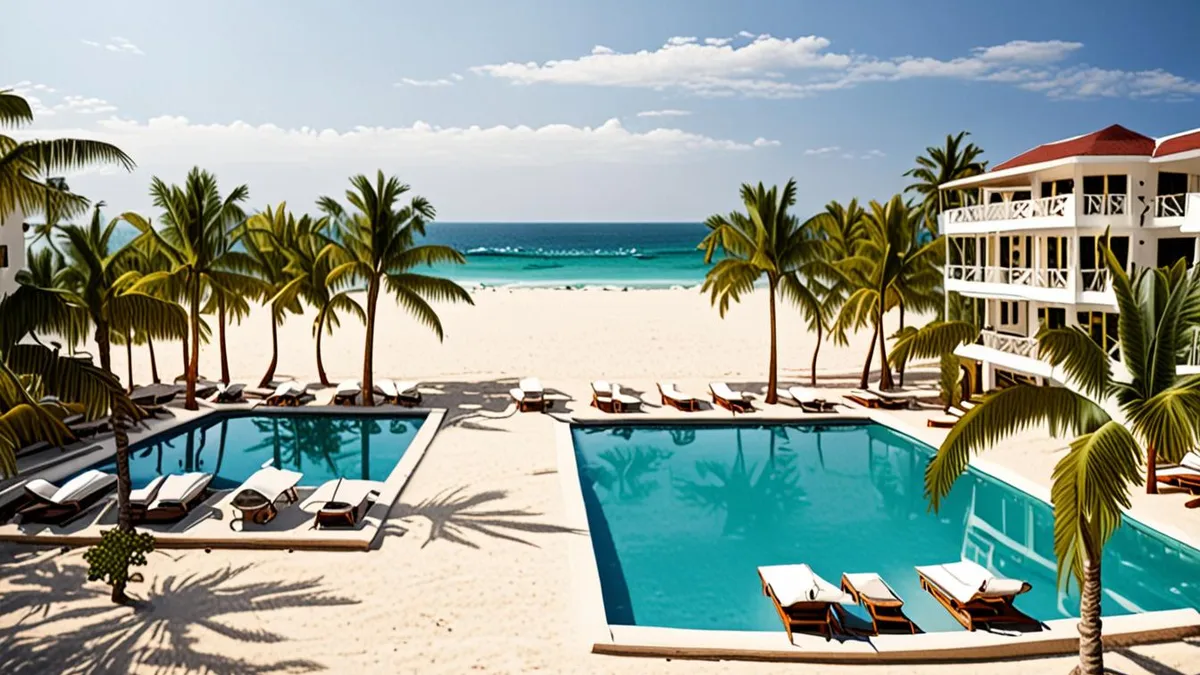
Lodge vs Resort: The Core Differences Compared
The clearest difference between a lodge and a resort is scale. A lodge’s 10 to 50 rooms mean quiet common areas, short walks to dinner and a shared living room where you’ll recognize fellow guests by day two. Staff learn your name on the first evening, and there is usually no lobby to get lost in. A resort trades that intimacy for facilities: more restaurants, more pools and more activities, but also crowds at breakfast and lounge chairs claimed early. Neither model is better on its own; they simply serve different kinds of trips.
Location logic differs just as much. Lodges sit where nature is the attraction, often hours from the nearest town, so the property must provide everything itself: power, meals, guides and often its own water supply. Resorts sit where weather and infrastructure support a full week on-site, with airports, pharmacies and restaurants close by. Staffing follows the same pattern: lodges often approach one staff member per two guests, which is why guides remember your interests by day two, while resorts run closer to one per five and service is more standardized.
Before booking either, check the details that listings rarely highlight:
- Transfer time: remote lodges may require a small-plane hop or a long road transfer after you land, while resorts are usually a short taxi ride from the airport.
- Meal structure: a set-menu lodge kitchen means limited choices but no decisions; a resort’s multiple restaurants mean variety but reservations and separate bills.
- Activity style: lodge excursions are typically guided and scheduled around wildlife or weather, while resort activities like water sports run on a fixed daily timetable you join when you please.
When a Lodge Is the Better Choice
Some trips practically choose a lodge for you. If your days revolve around spotting wildlife, hiking a trail network or shooting sunrise light over a valley, the guided excursion is the trip, not a side option. A lodge is built around exactly that rhythm: wake early, head out with a guide, return for a communal meal, repeat.
Remote logistics matter too. Many wilderness lodges sit an hour or two from the nearest real town, so having dinner, the next day’s briefing and activity bookings handled on-site saves you from driving dark roads after a long day outdoors. Everything happens under one roof, and the staff know your plans without you explaining them twice.
Atmosphere is the other big draw. Couples and small groups often prefer a crackling fireplace and a shared dining table over a water slide, and that preference gets even more rewarding during the June-September high season, when lodges feel intimate rather than crowded. A few situations where a lodge clearly wins:
- Photography-focused itineraries: guides at wilderness lodges often know where animals congregate at specific hours and can position you for golden-hour shots, something a resort front desk simply cannot arrange.
- Multi-day hiking routes: lodges near trailheads frequently provide packed lunches, route briefings and early breakfasts that align with dawn starts, cutting an hour of planning off every morning.
- Anniversary or small-group trips: with a limited number of rooms, staff tend to remember names, dietary needs and small preferences, which gives a celebration trip a personal feel.
- Short, intense getaways: on a 2-4 night trip with activities booked back to back, a resort’s pools, kids’ clubs and six restaurants would sit mostly unused, so paying for them makes little sense.
When a Resort Is the Better Choice
If your ideal vacation involves staying put, a resort is hard to beat. Week-long beach holidays work best when everything is steps away: a morning swim in the pool, lunch at a different restaurant each day, an afternoon spa treatment, all without ever getting in a car. Properties built for this, like Henann Crystal Sands in Boracay with its pool suites, are designed so guests never run out of things to do on-site.
Families with children have their own reasons to lean toward resorts. Kids’ clubs, shallow pools and several dining options fill the hours between excursions, and having everything in one place means parents can actually relax. Varied food matters more than people expect when traveling with picky eaters for seven nights straight.
Resorts also give you more control over spending. Because dining and activities are usually priced separately, you can compare a room-only rate against an all-inclusive package and pick what fits your style. Light eaters and travelers who plan lots of off-site excursions often save by paying per meal, while guests who want every dinner and water sport covered may find the bundled package works out cheaper. Run the numbers for your own habits before booking rather than assuming one option is always better value.
And when a trip mixes city sightseeing with leisure days, a resort near good transport links keeps both halves of the itinerary easy. A few scenarios where a resort is the smarter pick:
- Beach weeks with spa time built in: many large resorts run full spa menus with treatment packages, so a rainy afternoon becomes a massage and sauna session instead of a wasted day.
- Traveling with toddlers or teens: supervised kids’ programs and shallow-entry pools let younger children play safely while teens gravitate toward water sports or game rooms, keeping every age occupied.
- Budget-managed trips: booking room-only and paying per meal gives you flexibility, while all-inclusive packages can simplify spending if you plan to eat most meals on-site.
- City-plus-leisure combinations: resorts on the fringe of major cities or near airports make it simple to spend three days sightseeing and three days by the pool without changing hotels.
How to Decide: Budget, Season and Booking Timing
Choosing between a lodge and a resort gets much easier once you put numbers on paper. Price, season and logistics are the three factors that actually narrow the field, so work through them in order before you fall in love with a photo of a lobby fireplace or an infinity pool. A little honest math up front saves you from arriving at a property that looks perfect online but fits your trip badly in practice.
- Set your nightly budget first. Safari and wilderness lodges typically run $300-1,000+ per night, but that rate usually includes meals and a guided activity. Resorts start lower on paper, yet activity fees, spa treatments and specialty restaurants stack up quickly, so estimate your true daily spend, not just the room rate. Write down what a realistic day costs you at each type of property before comparing headline prices.
- Match your booking window to the season. For a June-September lodge stay, reserve 3-6 months ahead, since small properties have few rooms to sell. Beach resorts for December-January holidays typically fill 2-4 months out. Outside peak windows you can often book later, but check cancellation terms carefully, because remote lodges and big resorts handle refunds very differently.
- Compare what is included, not just the sticker price. Most lodges bundle breakfast and one guided activity into the rate, which can easily offset a nightly price that looks $100 higher than a resort. List what you would pay separately at each property before deciding which is cheaper overall.
- Check the transfer time from the nearest airport. Remote lodges may require a 1-2 hour road or boat transfer, sometimes at an added cost and often with fixed departure times. A resort near an airport gives you flexibility, while a lodge transfer eats into your first and last day, so factor that into how many nights you actually need.
Run through these four steps honestly and one option usually pulls ahead. A traveler with a firm budget, a fixed travel window and a low tolerance for long transfers will often land on the opposite choice from someone with flexible dates and a nature-driven itinerary, which is exactly why the comparison is worth doing before booking rather than after. Ten minutes with a notebook now beats an expensive surprise at check-in later.
Wrapping Up Your Lodge or Resort Decision
The choice really comes down to what your trip is built around. A lodge means small scale, a wilderness setting and activities bundled into your rate, while a resort means large facilities, beach access and flexible pricing from room-only to all-inclusive. If nature drives your itinerary and you want logistics handled for you, the lodge fits. If amenities, dining variety and space to spread out matter more, the resort wins.
Trip length, who is traveling and your budget should settle the rest. Remember that booking windows differ: reserve peak-season lodges 3-6 months ahead, and holiday beach resorts 2-4 months ahead for December-January. If you have a trip on the horizon and you’re still torn, leave a comment below or share this article with your travel companions.