Most travelers book a desert resort expecting little more than luxury in an exotic setting, then arrive unprepared for the reality: extreme heat, long transfers from the nearest airport, and a daily schedule built entirely around the climate. The result can be a confusing first day spent wondering why the pool is empty at noon and why everyone suddenly disappears indoors.
This guide walks you through what a desert resort stay actually involves. We cover the best times to visit and how far ahead to book, the logistics of reaching such a remote location, what your room and the property will realistically look like, the activities on offer and how each day is structured, what to pack for dramatic temperature swings, and how to budget beyond the room rate. A short summary of key takeaways wraps it up, so you know exactly what to expect before you commit to a booking.
When to Visit a Desert Resort
Timing shapes every part of a desert resort stay, from what you will do each day to how much you will pay. The prime season runs from November to March, when daytime temperatures sit comfortably around 20-30°C (68-86°F). This is when dune drives, camel rides and long walks are genuinely pleasant, and it is also when everyone else wants to visit.
That popularity comes at a cost: peak-season room rates typically run 30-50% higher than in the summer low season, for exactly the same room. If comfort is your priority, it is money well spent.
Summer: a different kind of stay
From June to August, highs regularly exceed 40-45°C (104-113°F). Most outdoor activities shut down at midday, and your days shift toward shaded pools, indoor spa time and long, air-conditioned lunches. Rates drop sharply, but expect to spend the hottest hours inside.
The shoulder months
April and October offer a middle path: warm enough for real pool weather, with lower prices and thinner crowds than winter. If your dates are flexible, these months often deliver the best value.
Booking lead times follow the seasons too. For winter stays, book 2-4 months ahead; for summer dates, 4-8 weeks is usually enough.
Getting There and Managing the Remote Location
Desert resorts are, by design, far from everything, and that isolation starts the moment you land. Most sit 30-60 minutes by transfer from the nearest major airport, so the ride is not an afterthought. Confirm before booking whether the resort runs a shuttle and what a private car costs, since these transfers are often charged separately from your room rate.
Timing your arrival matters as well. Plan to reach the resort by late afternoon so you can check in, find your way around, and settle in before the evening cool sets in and the property comes alive. Arriving at midday in high heat, tired from travel, is a rough way to start.
The smartest mindset is to treat the resort as a self-contained base rather than a stopover. Fuel stations, pharmacies and shops can be an hour or more away, so run out of something and you will lose half a day replacing it. A few practical checks before you travel:
- Mobile coverage: ask the resort which networks work on the property, since signal can be patchy or limited to certain spots near reception.
- Offline maps: download maps for the surrounding region before you leave home, so your phone still works on any self-drive excursions if coverage drops.
- Small essentials: pack basic medications, sunscreen and spare batteries or chargers, because the nearest pharmacy may be over an hour away.
- Resort contacts: save the front desk number offline, so you can call for help even without a data connection.
What Your Room and the Property Will Look Like
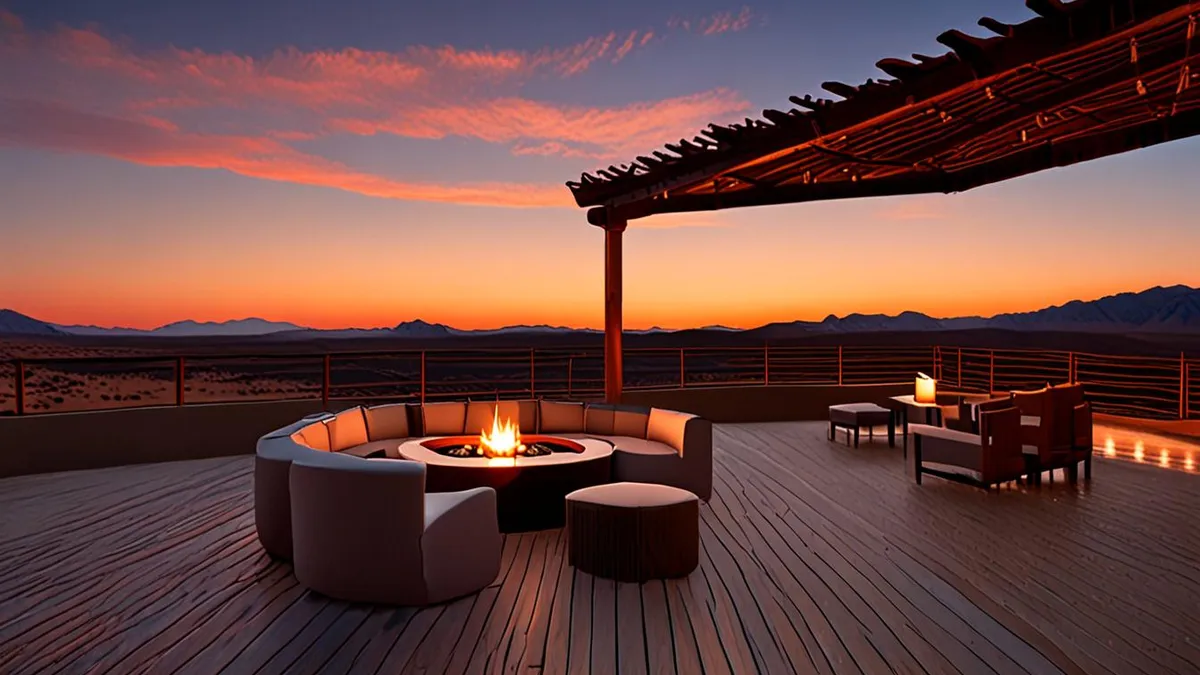
The first thing you will notice about a desert resort room is how deliberately it fights the heat. Thick walls, shaded courtyards and blackout blinds are not design quirks; they are traditional cooling strategies, keeping interiors comfortable against the midday sun when temperatures peak between 12pm and 4pm. Expect your room to feel noticeably cooler and darker than a standard hotel room, especially in the afternoon.
Features worth paying for
This is where desert resorts justify their rates. Private plunge pools, shaded terraces and dune-view patios are the signature room features, and they are worth the upgrade if your budget allows. A plunge pool you can dip into during the midday heat, or a terrace where you watch the dunes change color at sunset, will likely define your memories of the trip far more than the interior square footage.
Location within the resort
Layout is the other big difference from a city hotel. Villas are often spread across wide grounds, which makes for privacy and views but also real walking distances in the heat. If that concerns you, request a room near the main pool or restaurant when booking.
It also helps to ask about evening lighting of paths and common areas. Much of the resort experience happens after sunset, from outdoor dinners to stargazing, and knowing how well the grounds are lit makes moving around after dark far easier.
Desert Activities and Daily Rhythm
The daily rhythm at a desert resort is built around the heat, and once you understand that, everything falls into place. Dune drives, camel rides and guided nature walks are typically scheduled at sunrise or in the late afternoon, deliberately avoiding the 12pm-4pm window when temperatures peak. Your mornings will start early, but the payoff is soft light on the dunes and active wildlife before the day heats up.
Stargazing deserves top billing
Away from city glow, desert skies deliver some of the clearest viewing conditions anywhere. Many resorts make stargazing a headline activity, with astronomers or telescopes set up after dinner. Even without equipment, simply lying back and watching the sky from a dark terrace is memorable, so leave at least one evening unplanned for it.
Structure your day around two outdoor blocks
Think of each day as having two outdoor windows: one in the morning, one in the evening. Midday belongs to shaded pools, spa treatments and long, unhurried lunches. Rather than fighting the heat, lean into it — this indoor downtime is part of the appeal, not a compromise.
One practical note: sandboarding and 4×4 excursions usually require advance sign-up at the resort rather than same-day booking. Sign up on arrival day for the activities you care about most, because popular time slots can fill quickly during high season.
How to Pack for a Desert Resort Stay
Packing for the desert is all about handling extremes. Days can be scorching while nights cool off dramatically, and overnight temperature drops of 10-15°C are common. That means a light jacket is essential even when you are sweating through the afternoon — layers are your friend from sunrise dune walks to after-dinner stargazing.
Sun protection matters more here than on a typical beach trip. There is little shade on the dunes, and sand reflects light back at you from below. Lightweight long sleeves beat short sleeves for sun protection during daytime excursions, since fabric blocks rays more reliably than repeated sunscreen applications. If you want a refresher on what luxury resort amenities typically include, this review of high-rise luxury rooms at the Park Hyatt Tokyo gives a useful comparison point for what to expect from upscale properties.
Beyond clothing, a few items earn their place in your bag:
- High-SPF sunscreen — choose a sport or water-resistant formula, since pool time and sweating wear it off faster than usual.
- Sunglasses with UV protection — wraparound styles help block glare bouncing off sand during open-vehicle rides.
- A wide-brimmed hat — one that secures under the chin, because desert winds can take an unsecured hat off your head in seconds.
- Closed shoes for sand — sand heats up intensely by midday, and sneakers or closed sandals protect your feet on dune walks.
- A reusable water bottle — resorts provide water, but hydration between activities is essential, and a bottle you can refill keeps you drinking steadily.
Skip heavy fabrics and dark colors, which hold heat. Breathable cotton or linen in lighter shades will serve you far better, both on excursions and at dinner on a shaded terrace.
Budgeting for a Desert Resort
The room rate is only the starting point of a desert resort budget. Winter peak-season dates cost noticeably more than the summer months for the very same villa, so the difference between traveling in November to March versus the height of summer can reshape your total spend more than any other single decision. Knowing this swing helps you decide whether the prime season is worth it to you or whether a shoulder-month date fits your wallet better.
Transfers and excursions add up
Transfers are easy to overlook. Because most desert resorts lie a considerable drive from the nearest major airport, that ride can add a meaningful amount per booking — each way. Confirm whether the resort charges for a shared shuttle versus a private car before you book, and multiply by two for the round trip.
Excursions are usually priced per activity, separate from your room. Dune drives, camel rides and private stargazing setups each carry their own fee, and a family of four signing up for several activities can easily add a significant sum. Ask for the activities list and prices at booking time so you can prioritize.
Why meal packages often make sense
Given the remote location and limited outside dining options, all-inclusive or half-board packages often make sense. There is rarely a restaurant town down the road as an alternative, so paying for meals upfront can simplify both your logistics and your final bill. Compare the package price against the à la carte menu costs before deciding, and check whether drinks are included, as that is where totals tend to creep up.
Key Takeaways for Your Desert Resort Trip
A desert resort delivers plenty of luxury, but the travelers who enjoy it most are the ones who planned around the climate rather than the brochure photos. November to March is the sweet season, with comfortable days that make every excursion a pleasure, while summer shifts almost everything indoors and reshapes your entire stay. Knowing which experience you are booking makes all the difference.
The rest comes down to three pillars: respect the remote location by sorting out transfers and supplies before you arrive, pack in layers for those big overnight temperature swings, and structure each day around a morning and evening activity block with midday reserved for the pool and spa. Build a budget that covers transfers and excursions alongside a room rate that can swing 30-50% with the season, and you will avoid most surprises. If this guide helped you plan your trip, leave a comment or share it with a fellow traveler.