Figuring out where to stay in Tokyo is the first big decision every first-time visitor faces, and it’s a genuinely confusing one. The city sprawls across dozens of distinct neighborhoods, each with its own personality, price range and rhythm. Pick the wrong base and you could spend your whole trip riding trains instead of seeing temples, or pay luxury prices for a district that doesn’t match your plans.
This guide breaks down the best areas for first-timers, starting with how to choose a base that fits your budget, itinerary and travel style. We’ll compare Shinjuku for nightlife and transport, Shibuya and Harajuku for youth culture and shopping, Ginza and Marunouchi for luxury, and Asakusa and Ueno for tradition and value. You’ll also find practical advice on when to book and how to get the best rates, so you can lock in the right room in the right neighborhood with confidence.
How to Choose Where to Stay in Tokyo as a First-Timer
Tokyo is huge, but it’s also remarkably well connected, and that should shape your first decision. The smartest move for a first-time visitor is to base yourself within walking distance of a station on the Yamanote Line, the loop line that links most of the neighborhoods you’ll want to see. Staying within about 10 minutes’ walk of a Yamanote station saves the most transit time, because from that loop, most major sights stay within roughly a 30-minute train ride. That single choice matters more than the district itself.
Match the neighborhood to your priorities
Next, think honestly about what you want from the trip. If nightlife, late dinners and people-watching top your list, look west toward Shinjuku or Shibuya. If you dream of temples and old Tokyo atmosphere, the east side around Asakusa fits better. Shoppers should weigh Ginza’s polished department stores against Harajuku’s trendier scene, while travelers who value calm evenings over convenience might prefer quieter streets a few stops off the main hubs.
Decide on your hotel style first
Finally, settle on the type of property before you fixate on a district. A compact business hotel gives you a clean, efficient room at a sensible price. A boutique stay trades space for design and character. A full-service luxury property adds concierge service, restaurants and views, at a very different price point. Knowing which of these three you want will narrow your search faster than any map, and it keeps you from falling for a beautiful hotel in an area that doesn’t suit your itinerary.
Shinjuku: Best for Nightlife, Dining and Transport Hub Access
Shinjuku is Tokyo at full volume, and for many first-time visitors that’s exactly the point. Step out of your hotel and you’re surrounded by endless izakaya, towering department stores and the neon glow of Kabukicho, the city’s best-known entertainment district. Dinner options stretch from tiny six-seat yakitori counters to department store food halls, and the streets stay lively well past midnight.
A transport hub that works in your favor
The practical argument for Shinjuku is just as strong. The station is one of the busiest in the world, handling roughly 3.6 million passengers daily, and it puts most of central Tokyo within an easy ride. Direct trains also make Mt. Fuji day trips straightforward, and airport transfers are painless thanks to the Narita Express, which runs from the station to Narita Airport. For travelers planning side trips or early flights, that connectivity is hard to beat.
What to expect from rooms and rates
Mid-range doubles in Shinjuku typically run ¥20,000–¥35,000 per night, and there’s a wide spread of properties to choose from, from efficient business hotels to full-service high-rises. If you want space to spread out, consider a larger property such as the Keio Plaza Hotel Tokyo with its executive suites, a long-established option steps from the station. The trade-off for all this convenience is atmosphere: expect heavy crowds and neon noise near the station, especially at night. Light sleepers should ask for a room on a higher floor or facing away from the entertainment district.
Shibuya and Harajuku: Best for Youth Culture and Shopping
If your Tokyo trip is built around style, shopping and street culture, Shibuya and neighboring Harajuku are the areas to target. From here you can walk to the famous Scramble Crossing, wander the fashion boutiques of Omotesando’s tree-lined avenues, and reach the peaceful grounds of Meiji Shrine in a matter of minutes. Few places in the city pack this much variety into such a walkable footprint.
Design-forward hotels for style-first travelers
The hotel scene here reflects the neighborhood’s creative energy. Trendy design hotels and lifestyle brands dominate, with compact rooms, striking interiors, rooftop bars and communal spaces that feel more like a gallery than a lobby. These properties suit travelers who want style over space, and if that sounds like you, it’s worth looking at a boutique option like Trunk Hotel Tokyo with its design-led rooms, which captures the area’s aesthetic perfectly.
Know the trade-offs before you book
The main compromise is size and value. Rooms in this part of town are often smaller for the price compared with other districts, so check the square footage carefully if you’re traveling with large luggage or a partner. Mid-range doubles here typically fall in the same ¥20,000–¥35,000 range as Shinjuku, but you’ll frequently get less room for your money. Another tip: book early for weekend stays, especially when fashion events and product launches fill the neighborhood with visitors. Harajuku’s popular weekends can sell out weeks in advance, and last-minute rates climb quickly. If you can travel midweek, you’ll usually find better availability and a calmer version of the same energetic scene.
Ginza and Marunouchi: Best for Luxury and Refined City Views
Ginza and Marunouchi sit side by side on the eastern edge of central Tokyo, and together they form the city’s most polished district. Ginza is famous for its flagship department stores, art galleries and upscale dining, while neighboring Marunouchi lines the western side with sleek office towers facing the Imperial Palace gardens. If you want a stay that feels refined from morning to night, this is the area to look at.
The trade-off for all that polish is price. Luxury suites here commonly exceed ¥80,000 per night, especially in the high-rise hotels with skyline views or rooms overlooking the palace gardens. You pay for space, service and quiet rather than a central backpacker scene. If a city-view suite is on your wishlist, it’s worth reading a detailed review before committing — for example, our look at Mandarin Oriental Tokyo and its city view suites gives a good sense of what this level of hotel delivers.
What the evenings are like
Unlike Shibuya or Shinjuku, these districts go quiet after business hours. The crowds thin out, restaurants shift to unhurried, high-end dinners, and the wide avenues feel almost calm. That suits travelers who want restful nights, excellent kaiseki or French dining, and morning walks through the Imperial Palace East Gardens rather than late-night neon. Shop the flagship stores and Ginza’s covered arcades by day, then retreat to your hotel for a quiet evening — it’s a rhythm many first-time visitors end up loving.
Asakusa and Ueno: Best for Tradition and Budget-Friendly Rates
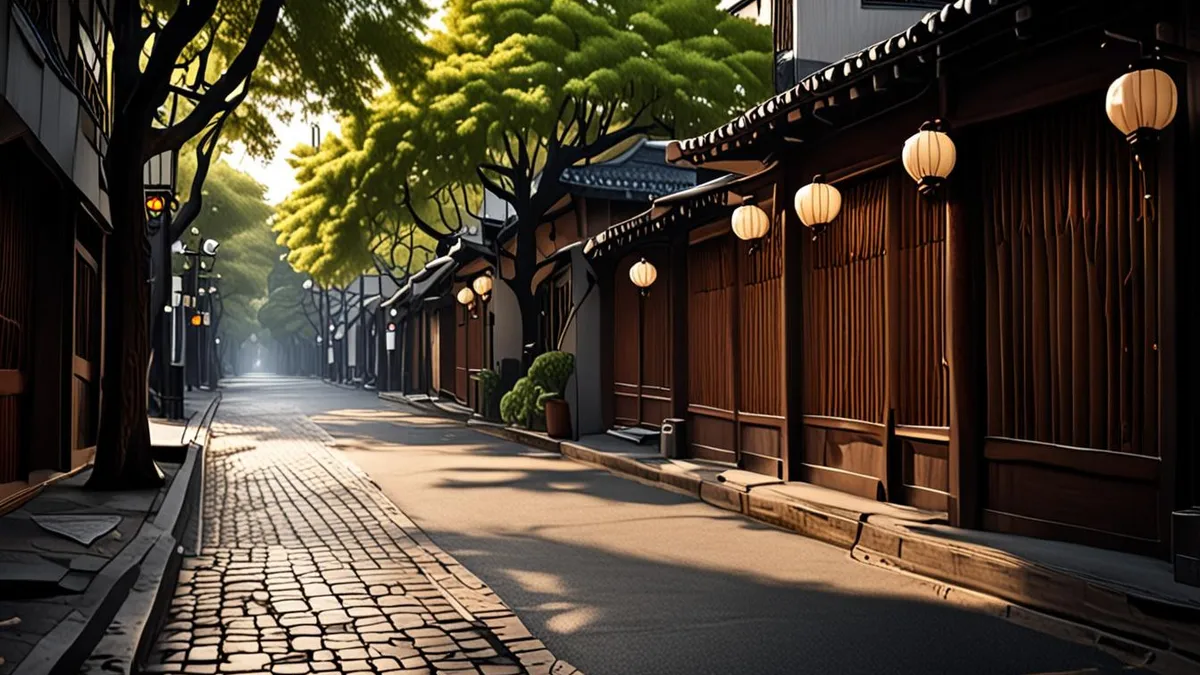
Asakusa and Ueno sit on the east bank of the Sumida River, and they feel like a different Tokyo from the glass towers of Marunouchi. This is the part of the city where you can wake up near Senso-ji Temple, wander the Nakamise shopping street with its snack stalls and souvenir shops before the crowds arrive, and soak up a traditional atmosphere that survives in the low-rise streets and old-style eateries around the temple grounds.
The best value in central Tokyo
The practical reason first-timers choose this area is price. Business hotels near Ueno or Asakusa often start around ¥10,000–¥15,000 per night, which is the best value you’ll find this close to the city center. Rooms are compact, but you get clean, efficient accommodation and easy access to two useful stations: Ueno for the JR lines and the museums and park, Asakusa for the temple district and the Sumida riverfront.
Plan your sightseeing around the east side
The one compromise is distance. Getting to Shinjuku or Shibuya typically takes around 25–35 minutes by metro, so west-side nights out mean a real commute home. The smart approach is to cluster your sightseeing: spend your Asakusa and Ueno days exploring the east — the temple, Ueno Park, the museums, Tokyo Skytree across the river — and save your Shinjuku and Shibuya evenings for a separate day. If you build your itinerary that way, the lower rates and traditional charm more than make up for the extra train time.
When to Book and How to Get the Best Tokyo Hotel Rates
Tokyo hotel rates swing more than most first-time visitors expect, sometimes by 50% or more between peak dates and quiet weeks. The same room that feels like a bargain in February can double in price during spring, and walk-in availability in central districts is rarely a safe bet. A few simple habits can save you real money, and the steps below cover the timing, the districts and the airport math that matter most.
- Book peak season far ahead. Cherry blossom season runs from late March to early April, and autumn foliage draws crowds in November. For those windows, reserve 4–6 months in advance. Popular neighborhoods sell out first, and last-minute rates during these periods can be painful.
- Compare weekday and weekend nights. Run the same hotel for a Tuesday versus a Saturday and you’ll often see a clear gap. It matters most if your dates are flexible — shifting even one night can change your total noticeably.
- Use business districts to your advantage. Areas like Marunouchi fill with business travelers on weekdays, so their hotels typically drop prices on weekends. If you want a polished, central base at a lower rate, a weekend stay in a business district is one of Tokyo’s best-kept tricks.
- Factor in airport transfer time. Haneda is 30–45 minutes from central Tokyo, while Narita is 60–90 minutes. If you land at Narita late or leave early, staying closer to a major hub station reduces an already long transfer day.
One last habit worth building: once you’ve picked your dates and area, check rates on the hotel’s own site as well as booking platforms, and look at the total price including taxes rather than the headline nightly figure. Tokyo hotels are generally honest about pricing, but the final bill can include local accommodation taxes and service charges that shift the math. It also pays to recheck your booking a week or two before arrival — many properties drop rates on unsold rooms, and if you find a lower price you can often rebook or ask the hotel to match it. Lock in early for peak season, stay flexible elsewhere, and you’ll usually land both the neighborhood and the rate you wanted.
Finding Your Perfect Tokyo Base
Tokyo’s sheer number of neighborhoods can overwhelm first-time visitors, but the choice gets much simpler once you match an area to your priorities. Shinjuku suits travelers who want nightlife, dining and unbeatable transport connections. Shibuya and Harajuku are the pick for youth culture and shopping, while Ginza delivers luxury, calm evenings and refined city views. Asakusa and Ueno offer tradition and the friendliest rates in central Tokyo.
The right base ultimately depends on your budget, your itinerary and the pace you prefer. Whichever district you choose, booking early around peak seasons like cherry blossom season secures both the area and the rate you want. If this guide helped you plan your trip, leave a comment or share it with a fellow traveler.