Many travelers book a glamping trip without realizing that the same tent can feel magical or miserable depending on the month they choose. A safari-style canvas tent under a star-filled sky in September is a dream; the same tent in a week of heavy rain can be a soggy disappointment. Figuring out the best time of year for glamping is not a detail to sort out later — it shapes everything from your comfort to what you actually see and do.
This guide walks through each season in turn. We start with why timing matters more for glamping than for a regular hotel stay, then cover spring’s mild weather and blooming landscapes, the reliable warmth of summer, autumn’s crisp evenings and foliage, and winter escapes in heated domes and cabins. We also look at how climate and region change the answer, and finish with a simple takeaway for matching the season to your travel style.
Why Timing Matters More for Glamping Than Hotels
A standard hotel room is a sealed box with climate control. A glamping tent, dome or yurt is not. Canvas walls breathe, zippers leak under driving rain, and a thin fabric roof does very little to buffer a cold snap. When temperatures swing 15 degrees between afternoon and midnight, you feel every degree of it in a way a hotel guest never would.
That sensitivity to weather is exactly why timing matters more here. In a hotel, a bad month might mean a gray view from the window. In a tent, it can mean damp bedding, a noisy windstorm all night, or a wood stove you are fighting to keep lit instead of relaxing beside it.
Availability is seasonal too
Many glamping sites simply close during the off-season. Operators pull tents, drain water systems, or shut the whole property for months at a time. If you pick the wrong month, the problem is not just bad weather — there may be no availability at all, no matter your budget.
The experience also shifts dramatically with the season. Stargazing is often at its clearest on cold, dry nights. Campfires feel perfect in autumn and pointless in a humid heat wave. Wildlife encounters depend on migration and activity patterns, which change month by month. Choosing your dates well means choosing which trip you actually get.
Spring Glamping: Mild Weather and Blooming Landscapes
Spring, roughly March to May, is one of the most underrated windows for a glamping trip. Daytime temperatures warm up nicely, and the landscape comes alive with wildflowers and fresh green growth. If your trip revolves around photography, this is hard to beat: meadows in bloom, soft light, and trees that have not yet thickened into full summer shade.
The catch is the nights. Even when afternoons feel pleasant, spring evenings can still drop below 10 degrees Celsius, and canvas structures cool down fast once the sun goes. Pack layered clothing — a warm base layer, a fleece, and something windproof — so you can enjoy the evening fire pit without shivering through it.
Why spring is easier on your wallet and your calendar
Demand in spring is noticeably lower than in summer, which works in your favor in two ways. Rates tend to be friendlier, and popular sites have real availability. Booking 1 to 2 months ahead is usually enough to secure a good spot, a far more relaxed timeline than the summer scramble.
One practical tip: check the local weather pattern for your specific destination before locking in dates. Early spring in a mountain region can still feel like winter, while the same dates at a lower elevation may be perfect. Aim for late spring if you want the warmest nights, and earlier in the season if your priority is wildflowers and quiet trails.
Summer: Peak Season for the Best Time of Year for Glamping
Summer, from June through August, is the peak glamping season in most temperate regions, and for good reason. It offers the most reliable warm, dry weather of the year, which matters enormously when your accommodation is made of fabric. It is also when glamping resorts run their fullest activity calendars: guided hikes, kayaking, outdoor cinema nights, live music, and kids’ programs that simply do not operate in the shoulder months.
If you are a first-time glamper, summer removes most of the risk. You will not need to worry about cold nights or a storm turning your stay into an endurance test, and you can pack light.
The trade-off: crowds and cost
Peak season comes with peak prices. Expect the highest rates of the year and the biggest crowds, especially on weekends and during school holidays. Shared facilities like pools, dining areas and fire pits feel noticeably busier, and the sense of escape can be harder to find on a packed site.
The solution is planning ahead. Reserve 3 to 6 months in advance for popular summer weekends to secure the best sites — the private corners, the best views, and the tents closest to (or furthest from, depending on your preference) the action. If your dates are flexible, even shifting a trip to a midweek stay can mean lower prices and a quieter site with the same summer weather.
Autumn Glamping: Cool Nights and Fall Foliage
Ask seasoned glampers about their favorite month and many will say September or October. The days stay warm enough for hiking and paddling, while evenings turn crisp enough to make a campfire genuinely welcome rather than just decorative. There is nothing quite like sinking into a wood-fired hot tub under a sky full of stars when the air has a bite to it.
Foliage season is the exception to autumn’s quiet reputation. In temperate regions, the busiest window typically runs from late September through mid-October, when the leaves hit their peak color and weekend sites fill quickly. If you want fiery red and gold scenery, book early and aim for weekdays if you can.
The value outside that window is real. Shoulder-season rates are often 20 to 40 percent lower than peak summer prices, which can turn a luxury tent or cabin into a genuine bargain. A few reasons autumn works so well:
- Morning mist over lakes and valleys is common in autumn, giving photographers soft light and atmospheric shots without waking before dawn.
- Fewer insects means more comfortable evenings around the fire and less need for repellent during meals outdoors.
- Harvest-season activities like apple picking and farm stands are often within reach of rural glamping sites, adding easy daytime plans.
- Some destinations, such as glamping cabins with Mount Fuji views, pair especially well with clear, cool autumn air.
Winter Glamping: Cozy Domes and Snowy Escapes
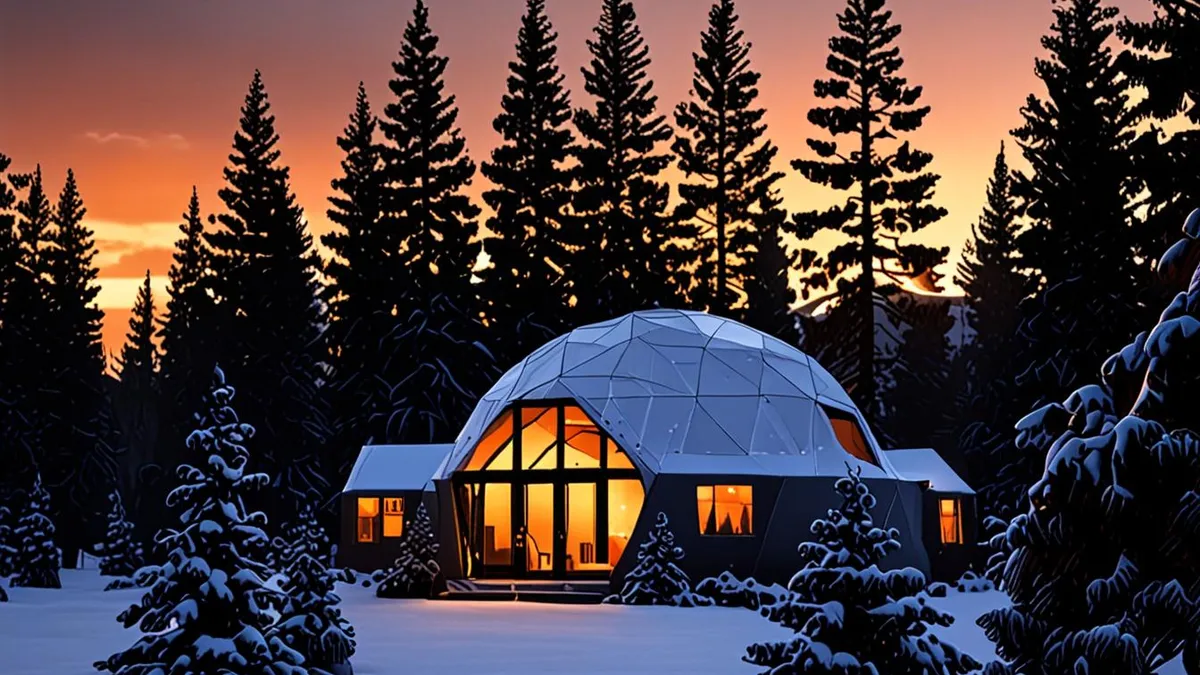
Winter glamping can be magical, but only in the right structure. Stick to insulated, heated options such as geodesic domes or cabins with wood stoves. A standard canvas tent in freezing temperatures is not an adventure, it is a miserable night, so treat the building type as your first filter when searching.
From November through February, the rewards are considerable: snowy landscapes, exceptional stargazing on clear nights, and quiet grounds with far fewer guests around. You may have the fire pit, trail, and sauna to yourself on a weekday.
Ask Before You Book
Not every site that stays open in winter operates at full capacity. Some shut down water systems in deep winter to protect pipes from freezing, which can mean no running water or hot showers in your unit. Confirm heating capacity and hot water availability directly with the site before you commit, and ask how the heating performs on the coldest nights rather than on average ones.
Pack for the conditions even inside a heated dome: insulated footwear for walking between your tent and the bathroom, extra blankets, and warm layers for stargazing. If the site offers snowshoes or a wood-fired sauna, take advantage. Winter is the season where the gap between a well-chosen site and a poorly chosen one is widest, so a few extra questions up front pay off more than at any other time of year.
How Climate and Region Change Your Answer
The best month for glamping depends less on the calendar and more on where you are going. A rule that works beautifully in the mountains can be useless in the tropics, so match your timing to the regional climate before you book anything.
In tropical destinations like Southeast Asia, the dry season from November to April is the comfortable window, with lower humidity and far less rain. From May to October, heavy rain arrives, and while some travelers enjoy the lush green landscapes and lower prices, canvas and daily downpours are a challenging combination.
Deserts flip the logic entirely. Winter and spring are the pleasant seasons, with mild days and cold nights, while summer temperatures can exceed 40 degrees Celsius, which is genuinely unsafe in a tent-based setup. Mountain and lakeside sites tend to have short peak windows, often only July and August, so flexibility with dates pays off if you want a spot at the popular ones. A few regional specifics worth knowing:
- In the tropics, the transition months at the edges of the dry season can offer good weather with noticeably fewer visitors than peak weeks.
- Desert spring brings wildflower blooms in some regions, a short-lived but spectacular bonus for campers who time it right.
- At mountain and lakeside sites, arriving midweek during the short peak window often secures the best-positioned units without paying weekend premiums.
The Takeaway: Matching the Season to Your Style
So, when is the best time of year for glamping? The honest answer is that it depends on what you want from the trip. Summer suits first-timers who want warm weather, full amenities and the liveliest atmosphere, while spring and autumn reward travelers who prefer value, quieter sites and milder conditions. Winter is only for those committed to heated structures and cold-weather charm, so be realistic about your tolerance for the cold before you book.
Whatever season you choose, two habits make the difference between a great trip and a grimy one: booking early for peak windows, and checking the regional climate patterns for your destination rather than assuming the calendar alone tells the whole story. Match the season to your style, and that same tent that could feel miserable in the wrong month becomes the magical escape you were hoping for. Have a favorite season for glamping? Leave a comment or share this article with a friend who needs a getaway.